

Two Custom Lined Jacket Components for a U.S. Client: From Production Drawing to Hand Sketch and a 300‑Piece Order
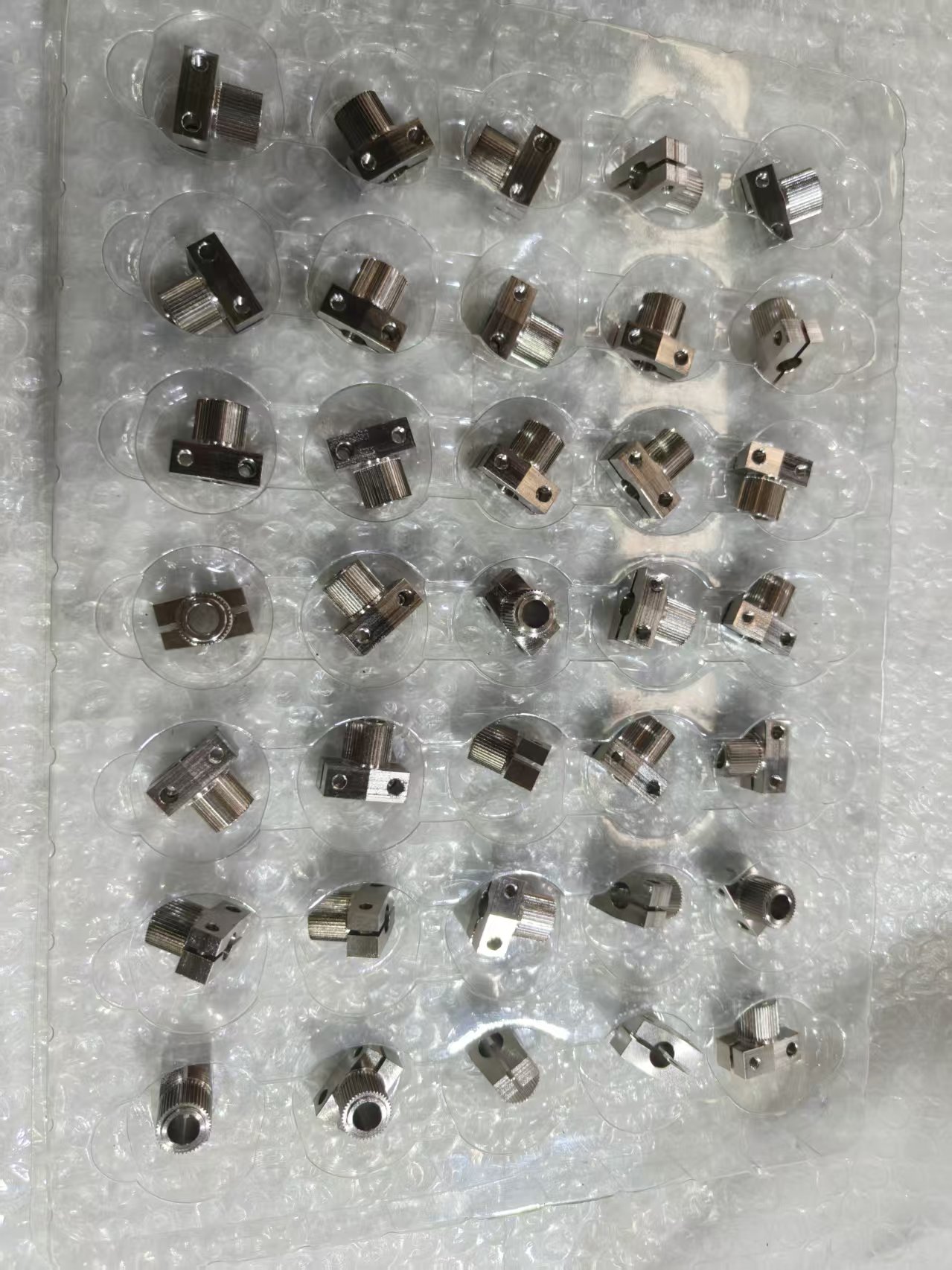
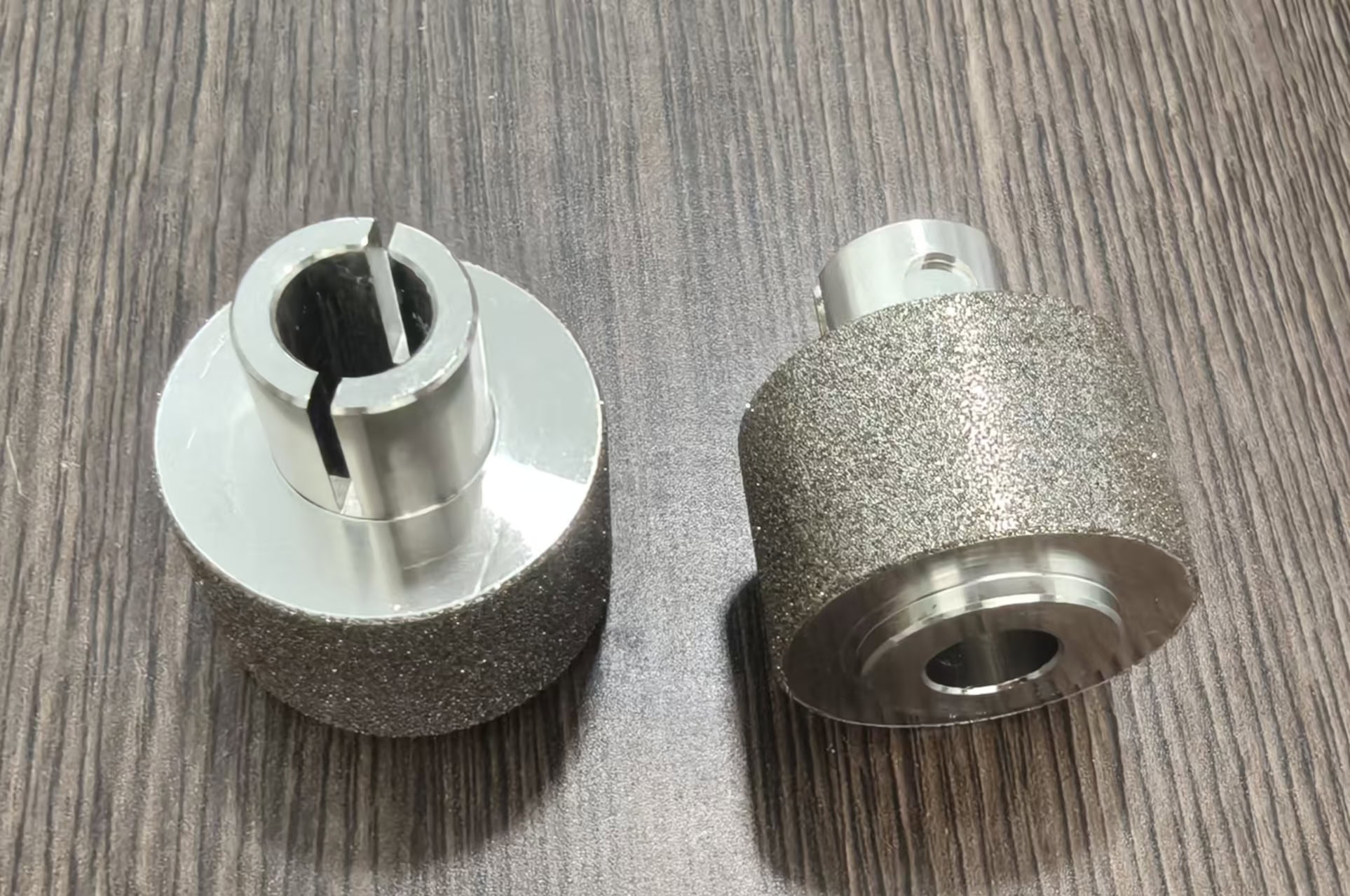
Custom CNC machining from hand sketch enabled this U.S‑based industrial customer to obtain two custom components for a lined jacket assembly. One part was manufactured from the customer's existing drawing. The second was a new product without a formal drawing, developed from a hand sketch with HS CNC engineering support. During prototype manufacturing, regular videos and photos built customer confidence, leading to a 300‑piece order before the sampling process was completed.
Request a Custom CNC QuoteProject Overview
Many clients rely on custom CNC machining from hand sketch to prototype one‑off mechanical components. Hand‑drawn sketches are often the fastest way for engineers and product designers to communicate new ideas, without waiting for formal CAD drawings. If you want to view real‑world finished examples of such projects, browse our case‑studies portfolio. Our custom CNC machining services cover the full workflow from rough hand‑drawn sketches to final precision‑machined deliverables. Our custom CNC machining from hand sketch service turns rough hand‑drawn ideas into finished functional parts. Our engineering team translates your hand‑written dimensions and rough shapes into manufacturable CNC programs. For reference on industrial metal material specifications, you can visit AZO Materials.
Moreover, custom CNC machining from hand‑drawn drafts greatly shortens your product iteration cycle. Even unpolished hand sketches can be interpreted by our engineering team for custom CNC production.
This case involved a U.S.‑based customer sourcing two different custom components used in a lined jacket assembly for industrial equipment. Although the two components were connected to the same customer project, they started from very different levels of design maturity. The first product had a clear engineering drawing and could move directly into quotation, manufacturing planning, and production. The second product was still at an early development stage: the customer had an idea and a hand‑drawn sketch, but no formal drawing ready for CNC machining.
The customer needed a supplier capable of handling both situations in one coordinated project. For the first component, the requirement was straightforward but time‑sensitive: manufacture the part according to the supplied drawing, communicate clearly, and deliver reliably to the United States. For the second component, the requirement involved more engineering support. The customer needed HS CNC to review the hand sketch, clarify the functional and production details, prepare a more complete drawing for approval, and then make a prototype that could be evaluated before larger‑scale production.
HS CNC managed the two product paths in parallel. We supported the drawn component through the normal quotation and manufacturing process while our engineering team worked with the customer to turn the hand sketch for the new component into a confirmed manufacturing document. During sampling, we maintained close communication through machining videos, workshop photos, work‑in‑progress updates, and finished‑part images. The customer was satisfied with the responsiveness and transparency of the project. Before the sample phase for the new product was fully completed, the customer placed an order for 300 pieces.
Two Products, Two Starting Points
The project demonstrates an important reality in custom CNC machining: customers do not always approach a supplier with the same type of technical information. Some projects begin with complete drawings, material specifications, tolerances, and established production requirements. Others begin with an old sample, a rough concept, a marked‑up photograph, or a hand sketch created to explain a functional need. A flexible machining partner must be able to respond professionally to both.
Custom Component With Customer Drawing
The first lined jacket‑related component was supplied with a formal customer drawing. HS CNC reviewed the document, confirmed manufacturability, prepared the quotation and manufacturing plan, and arranged production based on the confirmed requirements. This product followed a direct drawing‑to‑production path.
New Custom Component From a Hand Sketch
The second component did not have a formal CAD model or controlled drawing. The customer provided a hand‑drawn sketch and explained the intended use. HS CNC reviewed the concept, prepared a clearer drawing for customer confirmation, produced a prototype, and received a 300‑piece order during the sampling stage.
One customer, two different requirements: HS CNC provided direct CNC production support for the drawn part and engineering‑assisted prototype development for the new part without a formal drawing.
The Customer’s Challenge
The customer needed to keep an industrial equipment project moving without separating the work between multiple suppliers. Working with different suppliers for the two products could have created additional communication, quality, scheduling, and shipping complexity. The customer preferred a partner that could manufacture the first component from an existing drawing while also helping develop the second component from an early‑stage concept.
For the first product, the central requirement was execution: accurate manufacturing according to the provided drawing, practical communication, and dependable delivery. For the second product, the challenge was definition. A hand sketch may explain the overall concept, but it rarely includes all the details needed to control CNC machining and inspection. Important production questions can include dimensions, tolerance ranges, datums, threads, fit relationships, material selection, edge breaks, surface expectations, and the relationship between the new component and the rest of the lined jacket assembly.
The customer needed to see that the supplier understood both the product and the process. They wanted to avoid a situation where a workshop began machining based on incomplete information and then discovered problems only after the sample was finished. They also needed regular project updates because the customer was located in the United States and the manufacturing work was being completed overseas.
- Two separate product requirements: One product could proceed from a supplied drawing, while the other needed design clarification before sampling.
- No formal drawing for the new part: The second product began with a customer hand sketch and functional intent rather than a production‑ready CAD file.
- Need for engineering confirmation: The customer needed a professional drawing review and confirmation process before prototype machining.
- Need for regular visibility: The buyer wanted to see photos, videos, and progress updates throughout the sampling process.
- Need for quick conversion to production: If the sample process showed that the supplier was reliable, the customer wanted to move efficiently into a 300‑piece order.
HS CNC’s Solution
1. Managing the Drawing‑Based Component
For Product A, the component with an existing drawing, HS CNC followed a disciplined drawing‑to‑production process. We reviewed the supplied information to understand the part structure, functional requirements, key dimensions, and any details that could affect machining or inspection. After confirming the requirements with the customer, we prepared the manufacturing route and began production.
A customer drawing provides an important starting point, but professional manufacturing support still requires careful review. Our team verifies that the requested features can be machined efficiently, checks for areas that may require special workholding or inspection, and ensures that the final part will be produced according to the confirmed requirements. This process helped the customer move forward with the first component in a clear and controlled manner.
2. Delivering Custom CNC Machining From Hand Sketch to Production‑Ready Drawing
Product B required a different approach. The customer had no final drawing for the new component, so the project began with a hand‑drawn sketch. The sketch communicated the customer's intended design, approximate form, and functional purpose within the lined jacket assembly. However, it needed to be translated into a clearer document before CNC machining could begin.
HS CNC's professional design support team reviewed the sketch and discussed the key functional requirements with the customer. We then prepared a revised drawing to make the design easier to confirm and manufacture. The purpose was not to change the customer's concept; it was to organize the necessary production details so that both the customer and the manufacturing team had a common reference before sampling.
After the customer reviewed and confirmed the drawing, HS CNC arranged prototype production for the new component. This confirmation stage reduced uncertainty and established a more reliable foundation for later batch production.
3. Prototype Manufacturing and Quality Focus
Once the new product drawing was confirmed, our workshop prepared the sample manufacturing process. The machining route was planned based on the geometry and functional requirements of the component. Depending on the design, this could include CNC turning, CNC milling, drilling, tapping, thread processing, deburring, cleaning, and dimensional inspection.
We treated the prototype as a production‑representative part rather than a simple visual model. The objective was to show the customer how the component would be manufactured, how its features would be controlled, and how it would be presented for assembly. Particular attention was given to the relevant dimensions, surface condition, feature quality, and removal of sharp edges or burrs where required. We follow internationally‑recognized machining tolerances defined by ISO 81803 for custom CNC‑machined metal parts.
4. Maintaining Visual Communication Throughout the Project
During the sample stage, HS CNC maintained contact with the customer instead of waiting until shipment to provide an update. We shared machining videos, production photos, work‑in‑progress images, and finished‑part photos. These updates allowed the customer to follow the development of the new component from the confirmed drawing through physical manufacturing.
For overseas sourcing projects, visual communication helps reduce uncertainty. The customer can see that the work is underway, observe the real machining environment, and review the appearance of the part before it arrives. This is particularly important when a product is being developed from a sketch, because the buyer wants confidence that the original idea has been understood correctly.
5. Receiving a 300‑Piece Order During Sampling
The continuous project updates, drawing confirmation process, and sample progress gave the customer confidence in HS CNC's capability. The customer was satisfied with the information shared during prototype production and chose not to wait until the entire sampling process was complete before committing to the next stage. During the sampling phase, the customer placed a 300‑piece order for the new custom product.
This early production commitment was a direct result of clear communication and a transparent manufacturing process. It showed that the customer saw HS CNC not only as a supplier able to manufacture a part, but also as a responsive partner able to support product development and future production.
Project Timeline
Results
This project allowed the customer to source two custom components through one coordinated manufacturing partner, despite the fact that the products began with different levels of technical information. Product A moved forward efficiently from the existing customer drawing. Product B shows how custom CNC machining from hand sketch can progress from a hand sketch to a confirmed drawing, sample manufacturing, and a 300‑piece order.
The customer benefited from having a single point of contact for technical discussion, drawing confirmation, manufacturing updates, and delivery coordination. More importantly, the project reduced the gap between concept and production for the new component. By sharing real‑time videos and photos during sampling, HS CNC helped the customer make an informed purchasing decision before the prototype phase was complete.
- Two‑product project managed in one workflow: HS CNC supported both the drawing‑based component and the new sketch‑based component for the same U.S. customer.
- Drawing‑to‑production capability: Product A was manufactured based on the customer's supplied drawing and confirmed requirements.
- Sketch‑to‑sample capability: Product B was developed from a hand sketch into a customer‑confirmed drawing and CNC prototype.
- Transparent communication: The customer received videos, machining photos, progress updates, and finished‑part images throughout sampling.
- 300‑piece production order: The customer placed a 300‑piece order for the new product during the sample manufacturing stage.
- Approximately two‑week delivery: The customer received the ordered products in the United States within approximately two weeks.
“For this confidential U.S. project, the customer needed both standard drawing‑based machining and support for a new component without a formal drawing. By confirming the design, sharing real manufacturing progress, and maintaining clear communication, HS CNC helped the project move from concept to a 300‑piece order.”
— HS CNC Project TeamWhy This Case Matters for Industrial Buyers
Industrial equipment development rarely follows only one path. A purchasing manager may have a fully controlled drawing for one part while an engineer is still refining the design of another. A maintenance project may require a replacement component made from an old drawing, while a new assembly requires a newly designed part from a sketch or physical concept. In these situations, working with a supplier that can support both production machining and early‑stage development can simplify the sourcing process.
This case shows the value of combining CNC manufacturing with practical engineering communication. A good supplier should not assume that every sketch is ready for production, nor should it make unnecessary changes to a customer's idea. The right process is to understand the intended function, identify the details that need confirmation, prepare a clear drawing, manufacture the sample carefully, and keep the customer informed throughout the process.
For buyers of lined jacket components, industrial machinery parts, custom fittings, housings, brackets, sleeves, bushings, adapters, positioning components, and other non‑standard CNC parts, the ability to move from incomplete information to a manufacturable solution can shorten development time and reduce sourcing risk. The same supplier should be able to produce one prototype, support a small batch, and scale the process when the project is approved.
Custom CNC Support From HS CNC
HS CNC supports global customers at different stages of product development, including custom CNC machining from hand sketch for early‑stage projects. If you already have a complete 2D drawing or 3D CAD file, our team can review the part and provide a quotation for prototype, low‑volume, or batch CNC machining. If your project is still at an earlier stage, we can also review hand sketches, marked‑up images, physical samples, old parts, or functional descriptions and help create a clearer path toward prototype production.
Our CNC machining services support industrial machinery, automation equipment, instrumentation, semiconductor equipment, fluid systems, medical devices, automotive components, and aerospace applications, and other custom manufacturing projects. We work with stainless steel, aluminum, brass, copper, engineering plastics, and other materials according to customer drawings and requirements.
Whether you need one part made from a completed drawing or a new product developed from a sketch, HS CNC can help you progress from concept to confirmed production. Send us your drawing, 3D file, sketch, sample photos, or technical requirements, and our team will provide professional feedback and a practical quotation.
Need CNC Parts From a Drawing or a Hand Sketch?
Send HS CNC your drawing, CAD file, sketch, sample photo, or project requirements. We can support custom CNC machining from prototype development to batch production.